
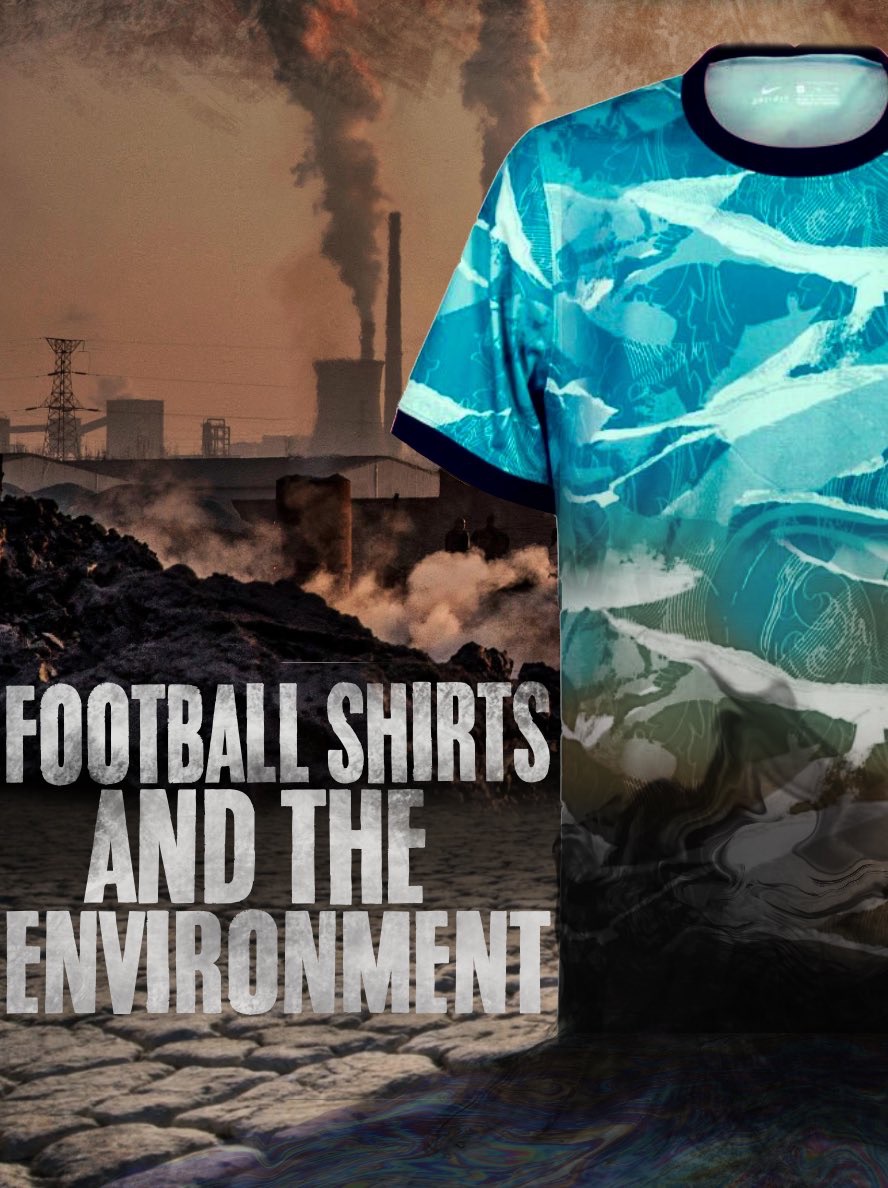
At some point millions of years ago, we crawled out of the primordial seas, evolved to walk on two legs and haven’t really been back to check on much since. As a result nearly 80% of the worlds oceans remain uncharted, never seen by human eyes. Now, in our modern, wasteful, single-use consumer society we fill these vast bodies of water with all manner of trash and discarded plastics. And after much soul searching, I have decided that this is a good thing.
The ocean is terrifying and the reason so much of it remains unexplored is that it’s a strange, deadly, pitch-black abyss that we have no business messing around in. Crushing pressures, freezing temperatures and filled with hideous creatures that would haunt even H.R. Giger’s nightmares. I’d urge everyone reading this to do your bit, head to your nearest body of water and lob an old fridge freezer in there. Chuck a handful of plastic straws in too for good measure, before some scaly, dead eyed, razor toothed beastie from the deep learns how to breathe oxygen and walks out of the waves onto Blackpool beach.
Freshwater, however, is different. Freshwater is the world’s most precious natural resource, essential to sustain the life of almost every living thing on planet earth. Only 2.6% of all water on earth is drinkable- and two-thirds of that is frozen. It would be idiotic, then, to do something like dump toxic chemicals into it. And yet that’s what happens, every single day, to make football shirts.
To understand how we got here, we have to start with a history lesson. Years ago, when the world was black and white, football shirts were made of heavy duty cotton or even -*gasp*- wool. Now aside from how hot and heavy these would have been, natural fibres also soak up water like a sponge, which is not ideal for playing in the rain and that’s before we think about how badly they must have smelled at the 90 minute mark.
Polyester was invented around the early 1940s and eventually revolutionised sportswear, the first synthetic football shirt is thought to have been used by Bolton Wanderers in the 1953 FA Cup final. Polyester is lightweight, durable and most importantly water resistant. It only absorbs around 0.4% of its own weight in water and is great at transferring it to the ends of its fibres, away from your skin- a process called ‘wicking’. When combined with stretchy elastane you have the recipe for the perfect football shirt. It’s been this way since the ‘80s and it’s worked pretty well for us, but you can’t have your cake and eat it.
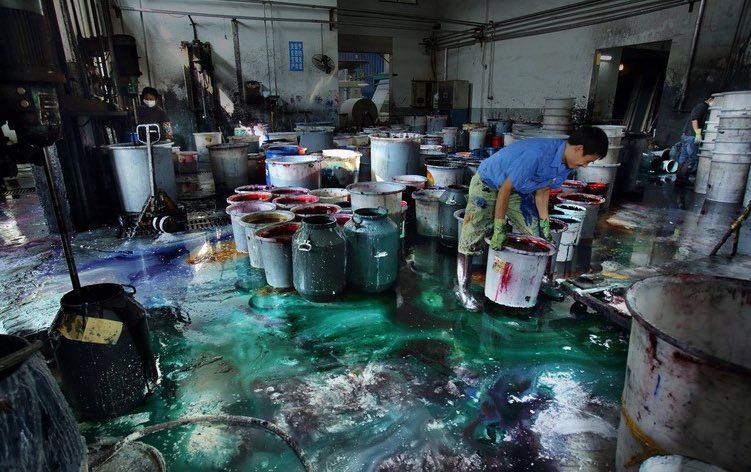
Which brings us back to water. Making a football shirt requires water. A LOT of it. It can take up to 71,000 cubic metres (that’s 28 Olympic sized swimming pools) of water to make 1 ton of shirts for example. Somewhere around 99% of that figure is from ‘grey water’- the amount of water it takes to dilute the poisons, toxins and chemicals used during the manufacturing process to make the water safe for human consumption again.
Aside from the aforementioned polyester (Polyethylene Terephthalate, or PET if you want to get technical), there’s various acids, alcohols, dyes and bleach all used in the production of a shirt. It also can take around 25 litres of water just to dye one shirt, and once it’s done 20% of the dye stays in that water. Treating the water to rid these chemicals and make it safe again is a complex and expensive process that bafflingly requires *more* chemicals, so instead it usually just gets dumped back into rivers and waterways by unscrupulous factory owners and authorities that turn a blind eye. The Citarum river (Indonesia) and Pearl river (China) are now completely unsafe for humans in part because of the factories that line their banks. To get an idea of the sheer scale of this problem, aside from the agriculture industry, the second biggest polluter of water in the world is the textile business.
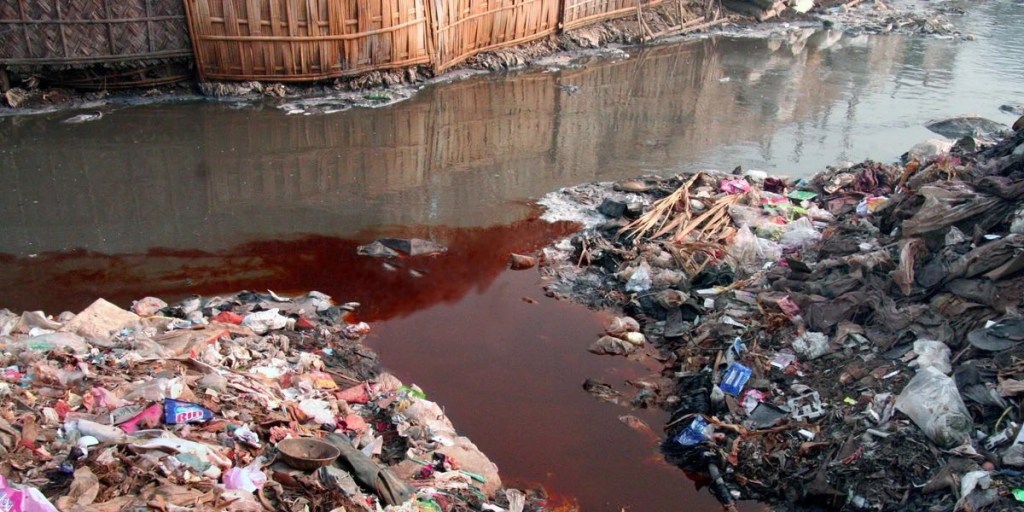
Even after the shirts are made, the pollution doesn’t stop. Boats, planes, trucks and vans are all used in the logistics chain, spewing horrible carcinogens in their wake, plus the shirts themselves are made of plastic which is terrible for ecosystems when they’re disposed of in landfill. And that’s before we consider that polyester is made from oil which has to be ripped from the ground by heavy machinery, usually following a war (militaries emit nearly 6% of all global pollution by the way).
It gets worse, because the shirts you already own also aren’t kind to the environment. Polyester sheds microfibres, small pieces of plastic thinner than human hair and often invisible to the eye, after every wash. Now, studies are inconclusive on how harmful these can be to humans at current levels (terrifyingly, we are the control group, the test generation), but with plastic use increasing and knowing what we know now about how precious water is, it’s probably best that we do everything we can to prevent an ecological disaster in future.
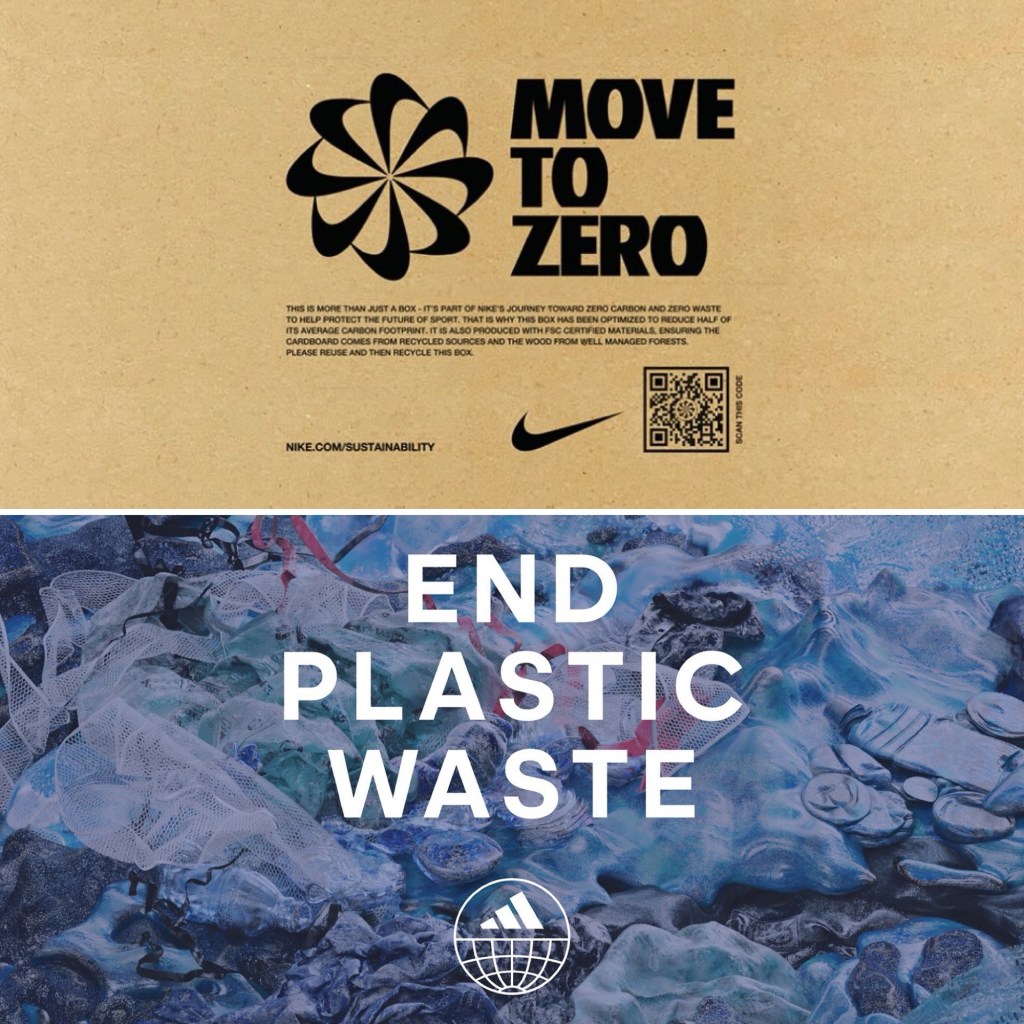
I didn’t write this article with the intention of making anyone feel guilty. There should be more accountability from manufacturers, who to be fair have read the room are starting to hop on the eco bandwagon. Adidas, Nike and Hummel are all starting to use recycled or reclaimed plastic for their polyester, meanwhile some manufacturers are practicing two-year kit cycles. As an individual, your contributions to global warming and killing the planet are the equivalent of a fart in a hurricane. Amazon, Disney and the like probably emit more carbon in one day than you do in a lifetime, so collect your shirts, wear them, enjoy your technicolour polyester and sleep easy at night.
If you want to do your bit make sure to hand wash your shirts where possible (they shed less microfibres this way), buy second hand (saves them from going to landfill) and when you do finally need to dispose of them make sure to throw them in the ocean to keep those sea monsters down where they belong.
 Kit For Brains
Leave a comment